
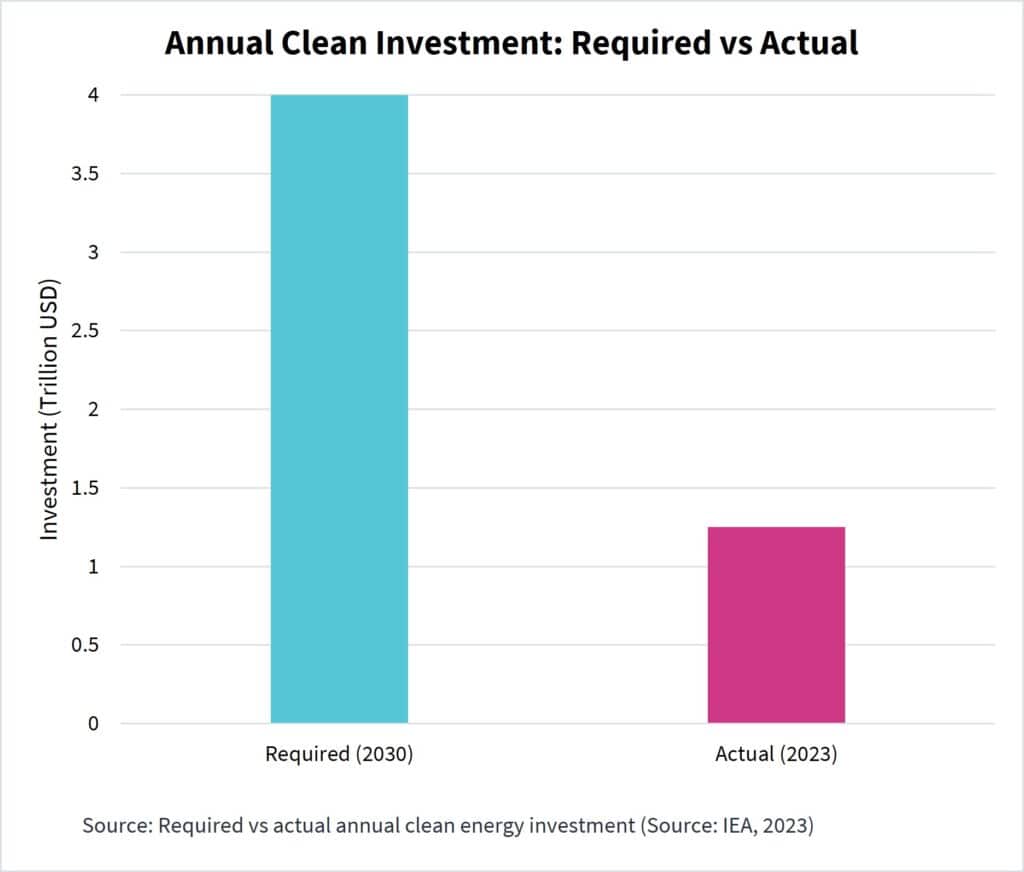
The International Energy Agency (IEA) estimates that achieving net-zero emissions by 2050 will require over $4 trillion in annual clean energy investment by 2030. This is more than triple the current levels. Public funding alone cannot meet this demand. The private sector must step up, and private credit is emerging as a powerful tool to bridge the gap.
Why private credit fits the energy transition
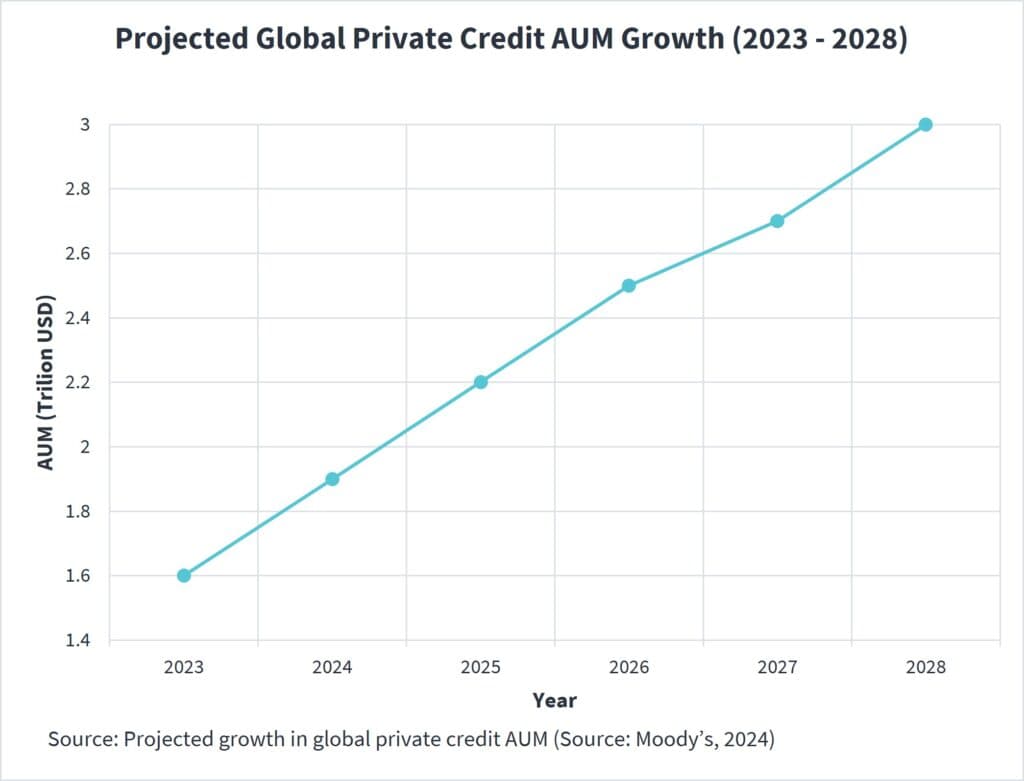
Private credit, which refers to non-bank, non-public lending, has grown rapidly in recent years. Global assets under management in private credit reached $1.6 trillion in 2023 and are projected to nearly double to $3 trillion by 2028, according to Moody’s. This growth is driven by investor demand for yield, diversification, and inflation protection.
In SA, the opportunity is even more pronounced. The JSE All Bond Index is dominated by just eight issuers, mostly sovereign and state-owned entities, accounting for 95% of the market. This concentration creates a bottleneck in capital allocation, limiting the diversity of investment opportunities available to institutional investors.
In contrast, private credit offers a broader and more diversified set of borrowers, which includes infrastructure and renewable energy projects, and mid-sized enterprises that are often overlooked by traditional banks. In renewable energy alone, SA has significant untapped potential. The International Renewable Energy Agency (IRENA) has noted that the country could generate up to 49% of its electricity from renewable sources by 2030, highlighting the urgent need for financing in this sector.
The energy transition is capital-intensive and long-term, two characteristics that align well with private credit. Institutional investors like pension funds and insurers, with liabilities stretching 20 to 70 years, are ideally positioned to provide the patient capital needed for infrastructure and clean energy projects. Private credit also offers low correlation with public markets, providing portfolio stability. Its floating-rate structures hedge against inflation and interest rate volatility, and it often delivers attractive risk-adjusted returns, with a premium for illiquidity.
Driving impact through investment
Beyond financial performance, private credit can be a powerful force for impact. It enables targeted investment in projects that reduce emissions, improve energy access, and support sustainable development, especially in emerging markets where public capital is scarce. Africa’s energy needs are vast. Over 600 million people on the continent still lack access to electricity. At the same time, Africa holds immense renewable potential, being home to 60% of the world’s best solar resources.
Investment opportunities in the transition
These are not just climate solutions. They are economic opportunities. The African Development Bank estimates that the continent’s energy transition could create 26 million new jobs by 2050. In addition to the green transition, it is important to note that new technologies in energy generation are more efficient and cost-effective than carbon-based alternatives. In this sense, private capital and credit are not only key to a greener future but also to a more competitive one. Given global shifts, SA and the continent have a chance to leapfrog to newer technologies and remain competitive with industrial and trading partners.
The role of expertise and execution
While the asset class is promising, it demands expertise. Private credit assets are often less transparent than public ones, and pricing visibility may be limited at origination. Investors should seek managers with independent risk functions, proven recovery capabilities in distressed scenarios, robust reporting and valuation frameworks, and deep sourcing and structuring experience.
In short, private credit is not difficult to understand, but it takes skill to execute well. As the world races to decarbonise, the role of private capital will only grow, offering a unique opportunity to support the transition to a more sustainable, inclusive, and resilient economy. For investors, it’s a chance to do well by doing good. For society, it’s a pathway to progress that is both pragmatic and powerful.